Navigating Cancer Care: Essential Insights and Support for Patients and Survivors
In the face of cancer, the journey becomes a daunting yet transformative expedition. Empowering Patients: The Role of Advocacy and Education in Cancer Care serves as a beacon of light, illuminating the power within individuals to take charge of their own health. Cancer, in all its forms—be it breast cancer, lung cancer, or prostate cancer—wields a heavy hand, but empowerment through education and advocacy can change the narrative. Have you ever wondered how knowledge can shape your journey through the intricate maze of oncology?
Every patient diagnosed with any malignancy is met with a barrage of information. Understanding your condition is crucial—not just for treatment options, but also for navigating the emotional and psychological aspects of the disease. "The first step to empowerment is education," a patient advocate once said, emphasizing the importance of knowing your diagnosis, the specifics of your tumor, treatment options like chemotherapy or immunotherapy, and the support systems available. Engaging in patient education can reduce fear, increase collaboration with your oncologist, and ultimately lead to better cancer care outcomes.
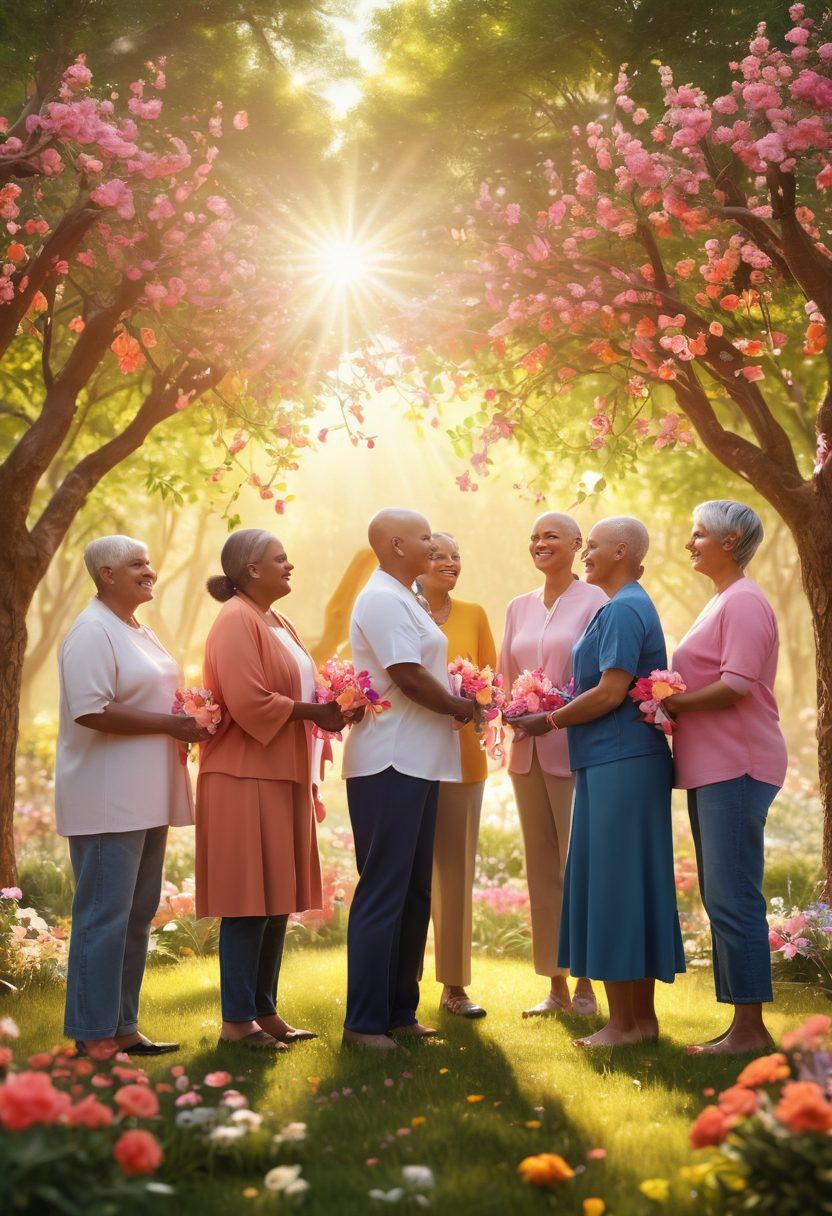
Advocacy takes your empowerment a notch higher. Imagine feeling like an active participant in your healthcare journey rather than a passive observer. Patient advocacy can include participating in clinical trials, voicing concerns, and exploring alternative medicine options. Many survivors attest that joining cancer support groups not only provided them with camaraderie but also educated them about lifestyle changes that could enhance their wellness. Have you considered how a supportive community can bolster your strength and resilience?
Cancer care goes beyond mere survival; it’s about thriving through survivorship. Incorporating wellness tips into one’s daily routine, such as nutritious diets tailored for cancer patients, can enhance overall health and even aid in disease prevention. Did you know that proper nutrition can play a crucial role in recovery, especially after treatments like radiation therapy? Understanding cancer statistics can help prepare you emotionally—while daunting, knowing that many people live fulfilling lives post-diagnosis can spark hope and motivation. Remember, healthy living is a journey, not a destination.
Lastly, participating in community outreach can further empower you and others around you. Engaging with local organizations can provide access to resources, prevent isolation, and help you stay informed. As an oncology patient or survivor, you possess valuable insights that can help others navigate their own cancer journeys. How will you use your story to empower yourself and others? Take heart, for every voice counts in the fabric of advocacy and education, knitting support, knowledge, and resilience into the fight against cancer.
Exploring Treatment Options: From Chemotherapy to Immunotherapy and Beyond
Navigating the tumultuous waters of cancer care can feel like sailing in uncharted territory. As a patient or survivor, you may be grappling with terms like chemotherapy, immunotherapy, and clinical trials—each a distinct beacon of hope and uncertainty. What if the very words that evoke fear could also empower you to make informed decisions about your health? This exploration of treatment options—from chemotherapy to immunotherapy and beyond—illuminates the critical role of oncology in navigating your journey towards wellness.
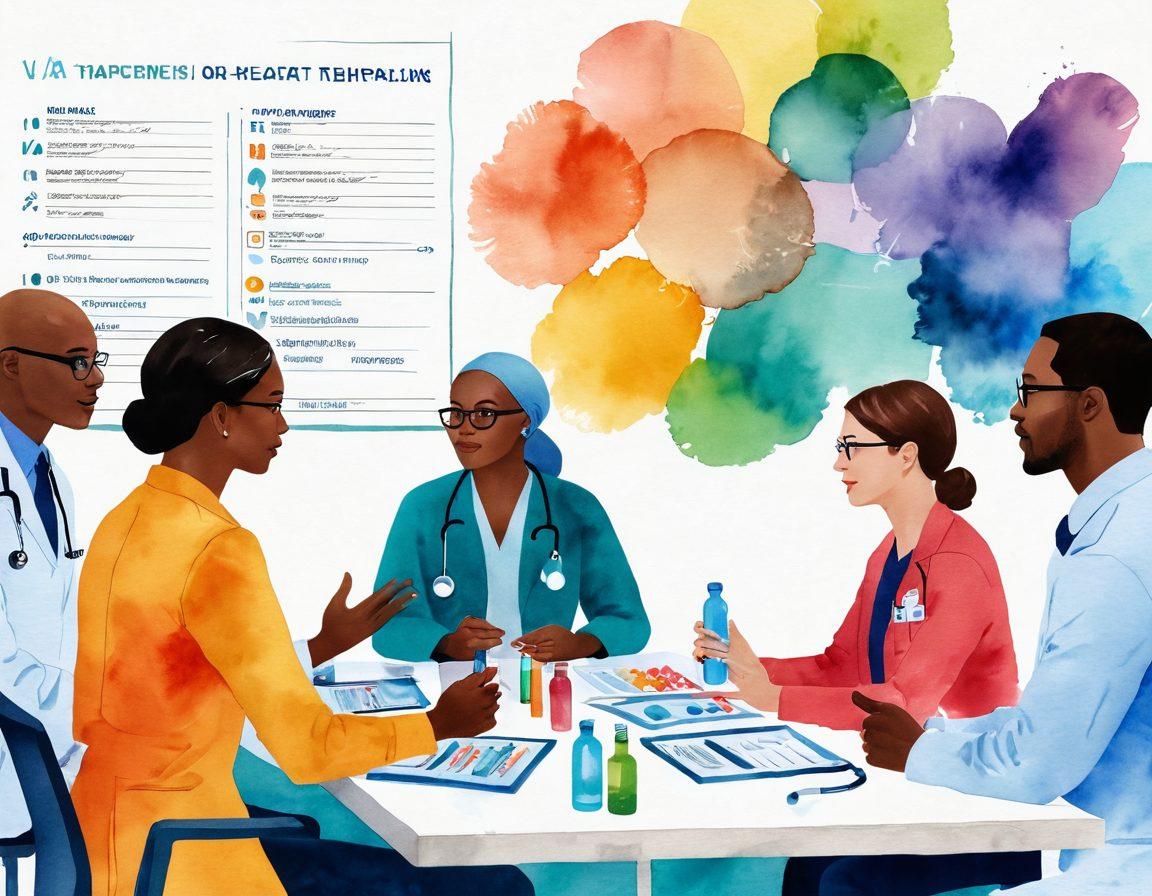
In the landscape of cancer treatment, chemotherapy has long been a stalwart warrior in the fight against malignancies. It's like a double-edged sword; while it attacks cancer cells, it can also cause significant side effects. Yet, armed with robust patient education and advocacy, patients can better understand what to expect. 'Knowledge is power,' and each question you pose to your oncologist not only clarifies your treatment pathway but also strengthens your role in managing your healthcare journey. Have you thought about what questions you need to ask your healthcare team?
Enter immunotherapy, a beacon of innovation in oncology research. Unlike traditional chemotherapy that indiscriminately targets all fast-growing cells, immunotherapy is akin to a tailored suit—designed to enhance the body’s own immune response against specific tumors. Imagine empowering your body to fight back using its natural defenses. What if the next breakthrough in cancer treatment was the one you might consider for your situation? The future is bright as clinical trials continue to expand our knowledge about the potential of immunotherapy, especially for prevalent cancers like breast, lung, and colorectal cancer.
Radiation therapy is another valuable tool in the oncology toolkit. It acts like a laser-focused sniper, delivering high doses of radiation to tumor sites while sparing surrounding healthy tissue. For many patients, living with the side effects can feel isolating; hence, linking up with cancer support groups can prove invaluable. Sharing stories and wellness tips not only enhances emotional resilience but also provides practical strategies for managing side effects and lifestyle changes. There’s strength in numbers, and together, we can amplify our voices in advocating for better cancer care.
As we explore these treatment options, don’t overlook the importance of nutrition for cancer patients. Healthy living doesn’t stop with treatment—it evolves. Incorporating wellness tips that promote disease prevention can lead to a more robust post-treatment life. Have you considered how your diet and lifestyle changes could support your survivorship? In a world rich with medical research and community outreach, embracing these pivotal elements empowers you as a patient advocate, ensuring not just survival—but thriving beyond cancer.
Building a Supportive Community: Navigating Challenges with Cancer Support Groups
In the face of a cancer diagnosis, the world can often feel isolating and overwhelming. Patients frequently find themselves navigating a complex landscape where a myriad of terms like chemotherapy, immunotherapy, and tumor classification become part of their everyday vocabulary. This journey is undoubtedly challenging, not just because of the disease itself, but due to the emotional and social obstacles that come with it. Here’s where cancer support groups shine as beacons of hope and connection, offering a supportive community where individuals can share their experiences and find strength in unity.
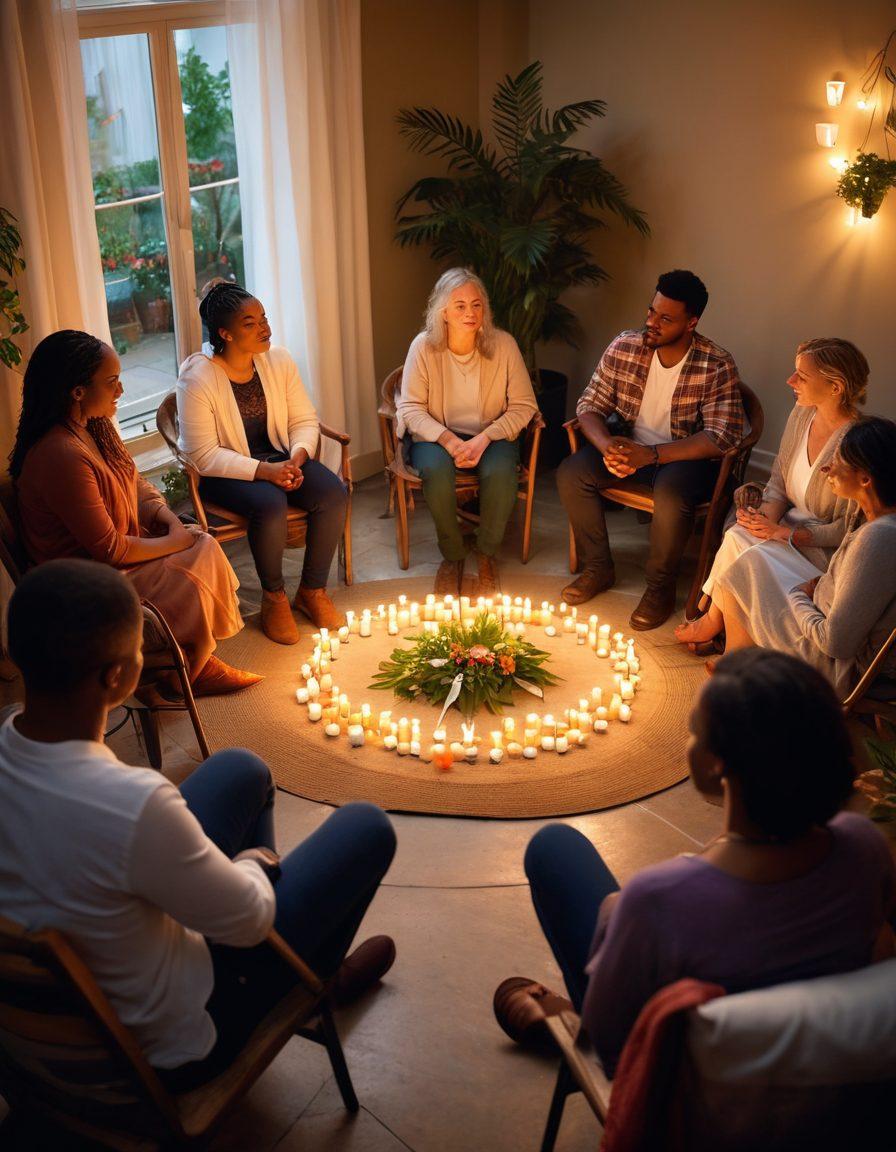
Imagine walking into a room filled with individuals who know firsthand the struggles you’re enduring. That sense of understanding is the crux of what makes cancer support groups invaluable. In these spaces, patients and survivors gather with open hearts, ready to listen, share, and uplift one another. According to oncology research, engagement in support groups significantly enhances emotional wellness and can even improve overall cancer care outcomes. It raises the question: have you ever considered how much lighter a burden feels when shared with others?
So, why are these cancer support groups so impactful? They create a safe haven where members can discuss everything from the nuances of treatment plans, like radiation therapy or alternative medicine, to practical wellness tips for maintaining healthy living throughout treatment. These gatherings often spark conversations that extend beyond hospital visits and medical jargon to touch on personal stories, humor, and hope. The quote by Maya Angelou comes to mind, 'I can be changed by what happens to me. But I refuse to be reduced by it.' Each meeting offers a reminder that we are shaped by our experiences, not confined to them.
These communal settings also play a pivotal role in patient education and advocacy. As patients share their journeys, they demystify the intricacies of cancer care, unraveling complex cancer statistics and treatment options, whether it be for breast cancer, lung cancer, or colorectal cancer. With a focus on both disease prevention and survivorship, support groups empower participants to make informed decisions about their health and treatment paths. This knowledge-sharing is transformative, providing insights into ongoing clinical trials and the latest breakthroughs in medical research.
Engaging with a support group doesn’t mean you are in this struggle alone; it means that together, you are stronger. There’s an unspoken bond that arises from shared experiences, and this community outreach can turn what seems like an uphill battle into a collaborative journey toward healing. After all, cancer is not just a fight against a malignancy—it’s also about cultivating resilience and fostering connections that provide comfort and strength. So, if you are navigating cancer care or supporting a loved one, consider reaching out to a local cancer support group. The warmth of community can be your greatest ally on this journey.